From improving soil health to increasing water storage, it is essential that UK farms build resilience to future droughts and a changing climate.
Drought and climate change are already causing major losses to UK farming – according to an expert from the University of East Anglia (UEA).
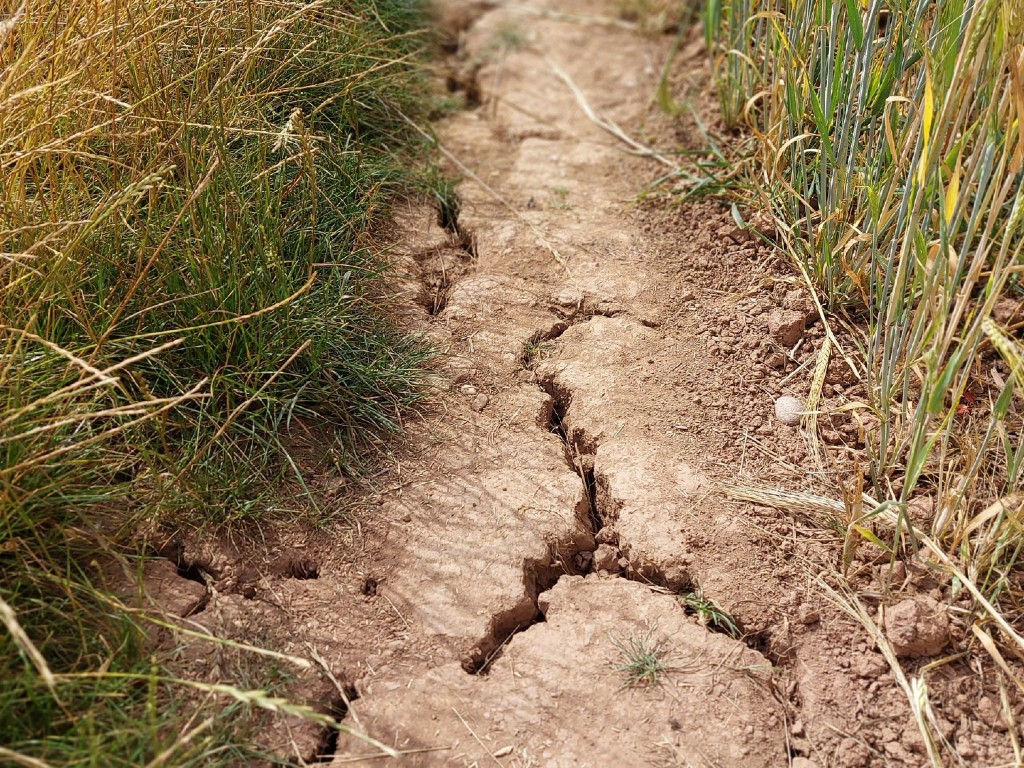
Professor Neil Ward, from the School of Environmental Sciences at UEA and member of the Tyndall Centre for Climate Change Research, says that the recent string of heatwaves has put increasing pressure on UK agriculture through reduced crop yields, poorer grass growth and water shortages.
He says that the sector must build greater resilience through measures such as improving soil health, increasing water storage, and adapting food production systems.
Prof. Ward said: “The drought is reducing yields and has meant an earlier harvest. The Energy and Climate Intelligence Unit has estimated a £300-£400 million financial hit for the arable sector alone.
“Grass growth has also been impacted, meaning livestock farmers will have to buy in more animal feed.
“Wheat, spring barley and oats have been heavily affected. Wheat is the biggest concern because it is so extensively grown. Potato crops are vulnerable to drought and irrigated crops may face restrictions on water abstraction.”
Improving soil health and water security
As farmers consider how to respond to increasingly dry conditions, Prof. Ward pointed to several measures that could help farms become more resilient to drought.
He said: “Improving soil organic matter can improve soil water retention, this involves building up the amount of decomposed plant and animal material, which turns soil into a better ‘sponge’ that can capture and hold more water during wet periods and release it more slowly during droughts.”
“Farmers are calling for more flexibility in being able to build on-farm reservoirs,” he added. “Groups of farmers could establish or strengthen water sharing arrangements.”
Helping UK farming adapt to future droughts
Looking to the future, Prof. Ward said wider changes will be needed to help agriculture adapt to climate change.
He said: “Agriculture and the food system is not well enough prepared for the climate change we will face over the coming decades. We need to build resilience into farming systems.
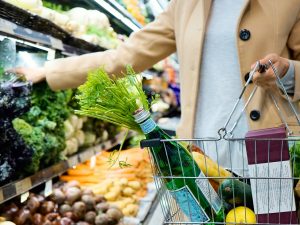
“To adapt and mitigate climate change will require significant change across our food system, including how and what we produce, how we best use land, and what we eat.”
His comments build on recent UEA research showing that UK food needs a radical transformation, at a scale and pace not seen since the Second World War, to respond to challenges including climate change, biodiversity loss, and food security.
Other recent research from UEA/Tyndall Centre has also highlighted how crops such as beans and lentils could help create more resilient and sustainable farming systems.
This news item is adapted from an article originally published on Thursday 13 August 2026 by the University of East Anglia (UEA)
Related links
- Scientists predict what will be top of the crops by 2080 due to climate change
- OpenLAND research project: How changes in UK land use could create benefits for net zero targets, soil health, biodiversity and agriculture
- Indigenous knowledge key to building healthier and more sustainable food systems