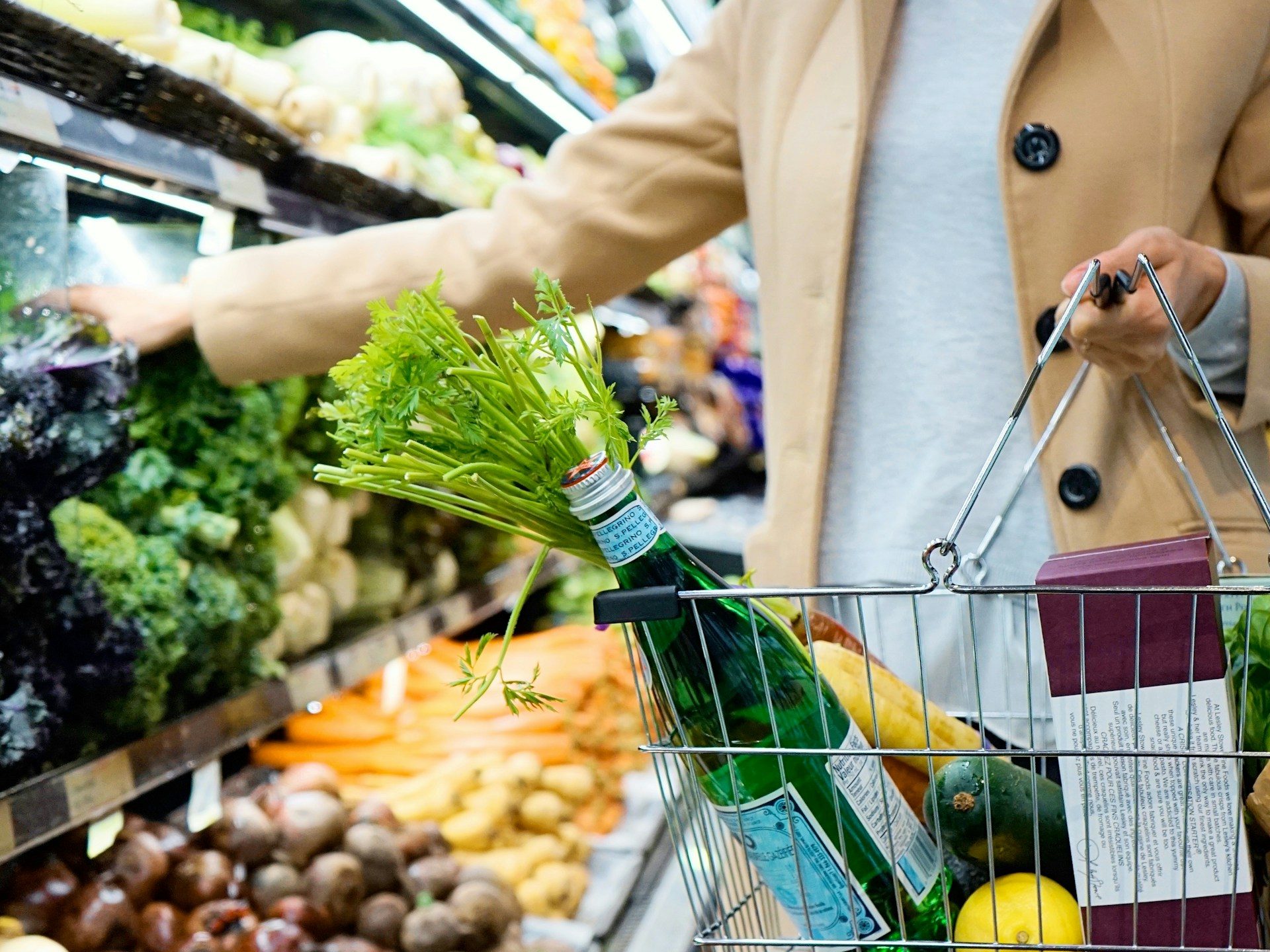
Giving evidence to a House of Commons inquiry, Professor Neil Ward highlighted the need for a more resilient UK food system to help maintain access to food during severe and prolonged disruptions.
The UK must move beyond prioritising efficient and low-cost food supply chains and build resilience for an era of increasing disruption, according to an expert at the University of East Anglia.
Professor Neil Ward told MPs this week that the UK’s food system is not sufficiently prepared and should be capable of maintaining access to essential food supplies during severe national disruptions lasting several months, including “simultaneous or cascading shocks”.
Such shocks could arise from extreme weather events, major disease outbreaks, cyber-attacks, energy failures, geopolitical conflict, supply chain interruptions, or combinations of these.
UK food system not prepared for major shocks
Giving evidence on Monday to the House of Commons Public Accounts Committee inquiry into the resilience of the UK’s food supply, Prof. Ward said that the country must rethink its approach to food security as climate change, geopolitical instability, infrastructure failures and cyber threats increase the risk of major disruption.
Prof. Ward is a Director of Root and Reason, The Food Resilience Collective, and led the development of The Roadmap for Resilience: A UK Food Plan for 2050, a major national study published last year involving more than 150 scientists and practitioners and over 3,000 stakeholders from across the food system.
The report concluded that the UK’s food system faces mounting pressures and requires fundamental transformation to remain resilient in the decades ahead.
“The UK has coped remarkably well with recent shocks such as Brexit, Covid-19 and supply chain disruptions,” said Prof. Ward, of the School of Environmental Sciences and Tyndall Centre for Climate Change Research at UEA.
“But these events tested the edges of the system rather than its ability to withstand a genuinely severe or prolonged crisis. We have built a food system that prioritises efficiency and low cost. The challenge now is ensuring it can also cope when things go badly wrong.
“The UK needs to prepare for a period in which shocks become more frequent, more complex and increasingly interconnected.”
Food resilience about more than agriculture
Prof. Ward’s written evidence submitted – drawing on research undertaken through the Agri-food for Net Zero (AFN) Network+ programme and the Roadmap for Resilience report – highlights how modern food supply chains have become increasingly dependent on highly interconnected infrastructure, including energy networks, telecommunications, logistics systems and digital technology.
He warns that food resilience can no longer be treated solely as an agricultural issue.
“Food security is about much more than how much food we produce. It is about whether people can access affordable, nutritious food when the unexpected happens,” said Prof Ward.
“Climate change, cyber-attacks, flooding, power outages and international instability all have the potential to disrupt food supplies. The UK’s resilience depends on how well we prepare for those risks now.”
A roadmap for greater resilience
The evidence calls for government to establish a clear national objective for food system resilience and identify the level of disruption the country should be able to withstand.
Among the proposals are:
- Greater investment in climate-resilient farming and reduced dependence on imported agricultural inputs
- Improved water storage and management infrastructure
- Better protection of critical food system infrastructure
- Stronger monitoring of food insecurity and vulnerable households
- A long-term strategy linking food security, public health, climate adaptation, and environmental restoration.
A stronger role for government
Prof. Ward argues that resilience should be viewed as a shared responsibility between government, industry and farmers, but warns that government must take a stronger leadership role in preparing for systemic risks.
“Major disruptions expose the limits of relying solely on markets. Food resilience is a public good. It requires long-term planning, public investment and a clear national strategy,” he said.
The Public Accounts Committee inquiry follows growing concern about the UK’s preparedness for future disruptions and comes after recent assessments identified weaknesses in contingency planning for severe food supply shocks.
Prof. Ward hopes the inquiry will help place food system resilience at the heart of national resilience policy. He added: “The question is not whether further shocks will occur. They will. The real question is whether we are building a food system capable of coping with them while continuing to provide affordable, healthy food for everyone.”
This news item is adapted from an article originally published on Thursday 15 October 2026 by the University of East Anglia (UEA)
Related links
- Read the news story: Measures needed to help UK farming weather future droughts
- Find out what scientists predict what will be top of the crops by 2080 due to climate change
- Learn more about our OpenLAND project, which explores changes in UK land use