Tyndall UEA researchers are partnering with the Royal National Lifeboat Institution’s international department to strengthen global drowning prevention and water safety initiatives in response to extreme weather and climate change.
Since 2021, Tyndall UEA researchers have been working with the international department of the Royal National Lifeboat Institution (RNLI) on a series of projects about water safety in the context of extreme weather events and climate change.
As well as playing a key role in protecting lives around the coasts of the UK, the RNLI runs a programme of support oriented to lower- and middle-income countries in drowning prevention at both coastal and inland water bodies.
Understanding the impact of climate change on drowning risk in Bangladesh and Tanzania
In 2021, RNLI commissioned UEA researchers to undertake a review of the implications of climate change for drowning risk and for water safety interventions in two of its focal countries, Tanzania and Bangladesh.
As well as assessing patterns and changes in extreme weather events and sea level rise, the team assessed a multi-dimensional range of contributory factors related to population changes, poverty and livelihoods, environmental change, water safety behaviour and regulatory practices. In Tanzania, recommendations included renewed focus on the very high risks faced by fishers at Lake Victoria, exacerbated by multiple factors, including storm patterns over the lake. In Bangladesh, the report emphasised the risks for infants in urban informal settlements built over water in Dhaka and other cities, and the need to expand interventions aimed at providing day care and home water safety measures for young children.
Drowning Prevention in a Changing Climate (DPICC), India
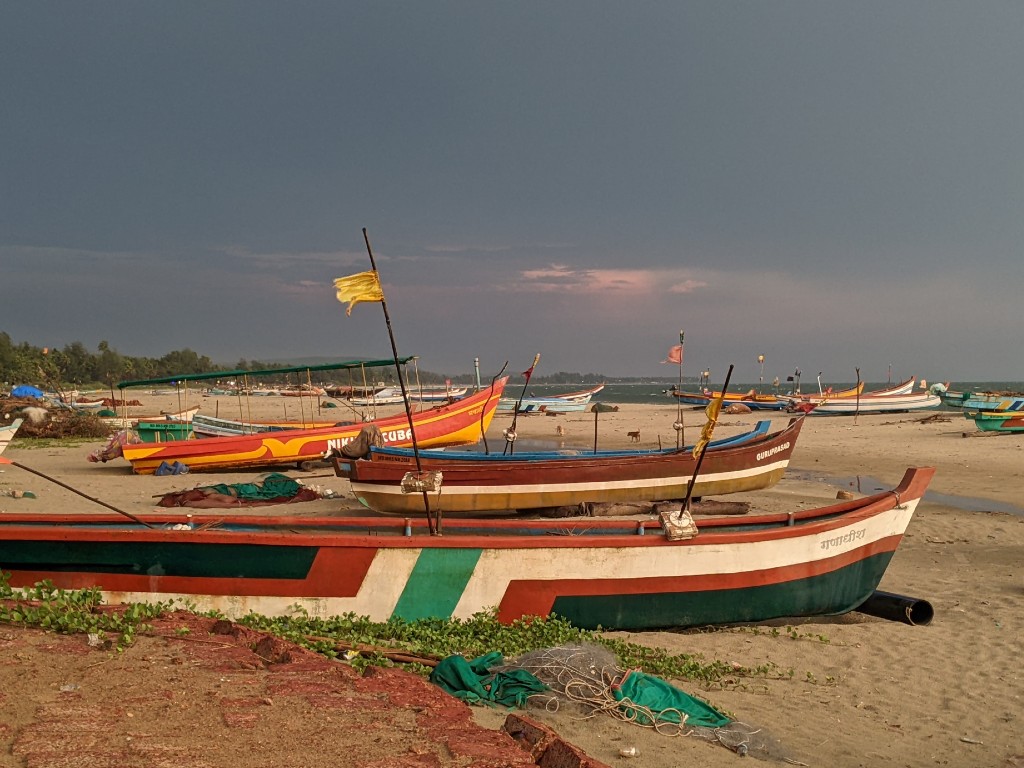
Subsequently, since 2023, UEA have been working with RNLI to expand their new programme of support for drowning prevention in the State of Maharashtra in India. Working with partners Ashoka Trust for Research in Ecology and the Environment (ATREE), the team first undertook a review of climate risks, responses and existing prevention in the State, followed by initial field research and stakeholder workshops in three districts affected by coastal and riverine hazards (Sindhudurg, Sangli and Nagpur). This has been followed by several phases of work under way in collaboration with the Tata Institute of Social Sciences Mumbai (TISS), in which the site-specific analysis of risk and response has been deepened alongside a programme of participatory research and engagement with local communities, governmental and non-governmental stakeholders.
The key focus of the current project work is to adapt the PDSA methodology (Plan–Do–Study–Act cycle) to facilitate strengthened capacity for drowning prevention mechanisms at the grassroots level in the three pilot areas. Ultimately, the aim is to work with RNLI and its partners to promote the importance and potential for strengthening drowning prevention in the face of climatic change.
Causal pathways linking extreme weather events to drowning risk
During 2026, the team is leading work with RNLI and other stakeholders to understand and map the interacting factors that shape how extreme weather events translate into drowning risk, with a focus on lower- and middle-income countries. Our approach integrates a realist literature review, health impact pathways assessment, and generating causal process diagrams to identify how, where and when interventions can best be targeted to reduce drowning risk in communities regularly exposed to storms, floods and heatwaves.