
The Tyndall Effect highlights the past year’s activities of the Tyndall Centre for Climate Change Research. This is the Tyndall Effect for 2002. You can download here or read below:

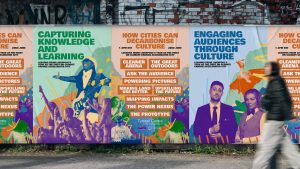
How Cities Can Decarbonise Culture: Lessons from Liverpool’s year as the first UN Climate Accelerator City
An independent evaluation of Liverpool’s year as the world’s first UN Climate Change Accelerator City reveals what worked, what didn’t, and what cities need to do to decarbonise their cultural sectors through place-based climate action.
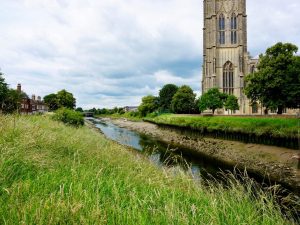
UK rivers face rising risk of climate ‘whiplash’
Climate change could increase hydroclimatic whiplash and drive more extreme river conditions under 2 degrees C and 4 degrees C warming, with greater flood risk, longer dry spells, and growing challenges for water management across the UK, new research suggests.

UK social housing design must change to suit changing climate demands, say researchers
Future climate change is expected to drive a major increase in cooling demand in UK social housing, highlighting the need for climate-adapted housing design to reduce energy use, support residents’ wellbeing, and ease pressure on energy infrastructure.
Public Seminar: Politician and public support for deep and rapid decarbonisation
An online public seminar from the Tyndall Centre for Climate Change Research discusses public and political gaps of the necessary speed for climate action in the wider context of diverging views.