
With the long-term impact of the current crisis on global economies yet to be understood, a vast number of social enterprises are likely to suffer after the lockdown due to severe constraints to their operations. What will this mean for alternative business in Nigeria and how can one prepare their organisation for this new reality? A recent CUSP workshop engaged with social entrepreneurs, reflecting on their strategies. Here, Adeyemi and colleagues are summarising the learnings.

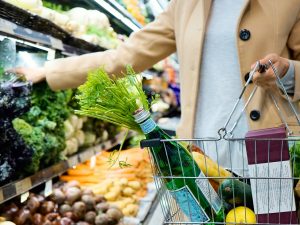
Climate change and security threats leave UK food supply at risk, expert warns MPs
Giving evidence to MPs, Professor Neil Ward warned that the UK must build a more resilient food system as climate change, cyber threats and geopolitical instability increase the risk of major disruptions.

PhD Opportunity – Natural Fibre Insulation for Housing Sector
Apply for this PhD project at the University of Manchester, which explores how natural fibre insulation can be used safely and effectively in homes by evaluating its thermal performance, fire safety, and ability to regulate indoor conditions.

PhD Opportunity – Air-to-Air Heat Pumps for Equitable Demand Flexibility and Year-Round Thermal Comfort in UK Homes
Apply for this PhD project, which explores how air-to-air heat pumps can provide low-carbon heating and cooling, helping households stay comfortable while supporting a cleaner, more flexible and resilient energy system.
Senior Research Associate in Climate Change Policy, People and Action
An exciting opportunity to conduct research on what motivates governments and people to address the grand societal challenge of mitigating and adapting adequately to climate change, and work with project partners to generate societal impact outside of academia.