
Shore power connects ships to land-side power networks, so they don’t need to burn fuel oil in their auxiliary engines to produce electricity for onboard use while in port, reducing air pollution. Because UK grid electricity is low-carbon, this also cuts greenhouse gas emissions. Shore power is also an enabling technology for greater use of hybrid/all-electric ships, which need battery recharge. Despite these benefits, poor project economics mean deployment of shore power in the UK is low. The UK Government is considering policies to improve shore power. Tyndall Manchester and Buro Happold research investigates how project economics could be improved, and what role policy has to play, via a case-study at the Port of Aberdeen.

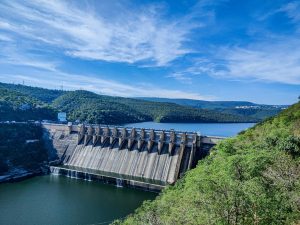
Planning future reservoirs: A new tool for designing low-carbon hydropower
A significant amount of greenhouse gas emissions come from reservoirs and dams, and a new framework links those to dam siting decisions. Here’s why it is a major step towards low-carbon hydropower worldwide.

Sir Anthony Habgood Professor of Climate and the Environment
A tremendous opportunity to advance your academic career and steer exceptional climate/environmental research.

Tyndall Centre Director Andrew Jordan appointed to UK Climate Change Committee
Professor Andrew Jordan has been appointed to the UK Climate Change Committee (CCC), recognised for his expertise in climate policy, governance, and environmental research.

More – not less – science needed to protect our planet, says former Tyndall Centre Director
Professor Corinne Le Quéré says the breakdown in international cooperation, long supporting global progress on climate action, has hit science head on. Speaking candidly about deliberate efforts by some world leaders to undermine science and scientists, the leading climate researcher sets out why protecting communities from the growing impacts of climate change depends on more scientific leadership.