
There is a range in estimates for total current demand for shore power, reflecting the lack of unified reporting on at berth fuel use. Estimates of current UK at berth vessel electricity demand range from 450 GWh to 1,250 GWh – reflecting different approaches to estimating energy use detailed below. Applying a typical emissions factor of 650g CO2/kWh for fuel oil to electrical power this equates to 290 ktCO2 to 813 ktCO2 annually for electricity use by vessels at berth in UK ports. Vessel electricity use is currently the overwhelming contributor to emissions at berth in the UK and elsewhere.


Launch of UNEP’s 7th Global Environmental Outlook (GEO-7): A roadmap for addressing the planetary crises
The Global Environmental Outlook 7 (GEO-7) has just launched, giving a comprehensive overview of the latest environmental research and providing decision makers with a roadmap for addressing the triple planetary crisis of climate change, nature and biodiversity loss including desertification, and pollution and waste.

Debt and decarbonisation: Making net zero housing truly affordable
A new report led by Tyndall Manchester explores how far reducing the cost of finance for housing associations could help meet Greater Manchester’s Truly Affordable Net Zero target of 30,000 low carbon social homes built in the region by 2038.

Flood risks in delta cities are increasing, study finds
A new study warns that climate change, sea-level rise and land subsidence will significantly worsen typhoon-driven flooding in Shanghai – highlighting the urgent need for stronger, layered defences in vulnerable delta cities.
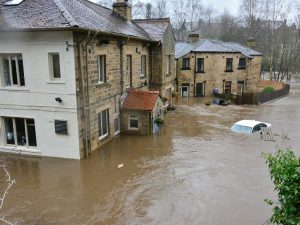
Natural flood management shown to cut fluvial flood damages in first UK-wide assessment
A first national-scale analysis finds natural flood management could reduce residential flood damages by tens of millions of pounds by mid-century, when targeted effectively and combined with wider flood-risk measures.