
It is a well-established argument in the economics and political science literature that a country’s level of economic development has an impact on people’s political orientations. Following the central tenets of Social Modernisation Theory, high income levels and solid welfare provisions at the national level facilitate the fulfilment of people’s basic survival needs, so that post-materialist issues (relating e.g. to questions of multiculturalism, LGBTQ+ rights or the protection of the environment, rather than questions of economic survival) are likely to play a bigger role for the ideological identities of those individuals who grow up under conditions of macro-economic security compared to those who do not.

Public Seminar: Heat, Fires and Fossil Fuels – 2026 in Review
In this online public seminar from the Tyndall Centre for Climate Change Research, leading climate researchers explore key insights from 2026 through global datasets on temperatures, fossil fuel emissions and wildfires.
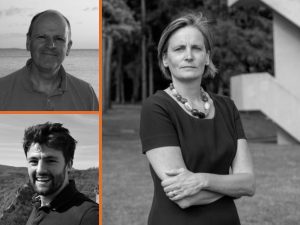
Three Tyndall Centre researchers named among world’s most influential scientists
Corinne Le Quéré, Matthew Jones and Robert Nicholls are all recognised in Clarivate’s 2026 Highly Cited Researchers list, which highlights academics with significant and broad influence in their fields.

Climate expert warns UK must prepare for increasingly extreme weather
Newcastle University climate expert warns UK faces increasingly extreme weather due to fossil fuel burning, as public calls for urgent action.
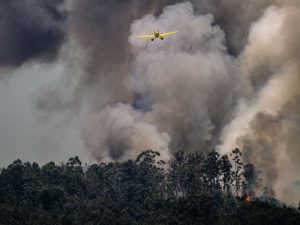
Record-breaking 2025 Iberian Fire Season was three times larger due to climate change
A new global report finds that human-caused climate change made the severe 2025 wildfire season in Spain and Portugal around three times more likely, highlighting how climate change is increasing the risk of more intense and damaging wildfires around the world.