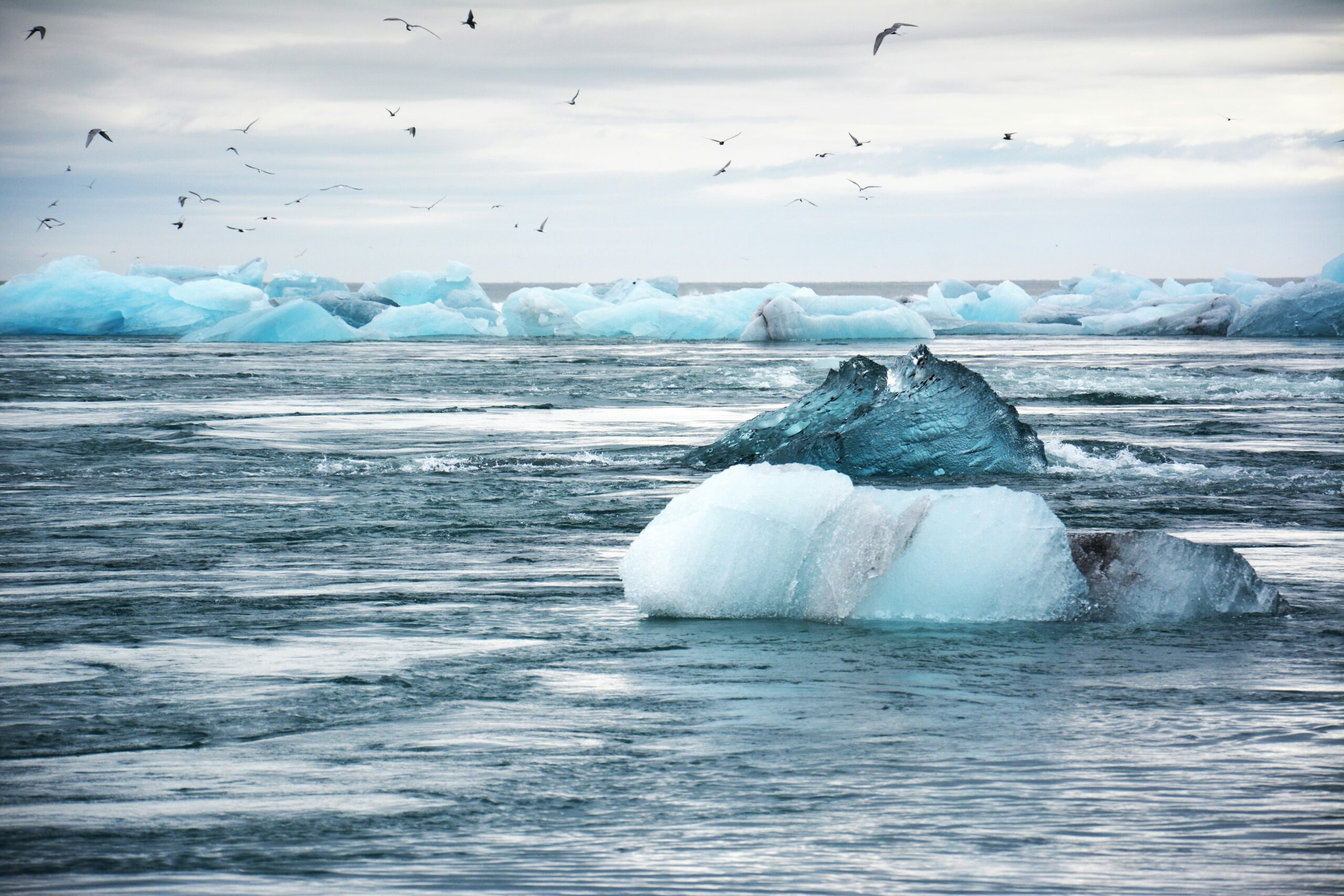
The Arctic region has warmed at least twice as much as the global average, leading to a number of environmental consequences. The extent and thickness of sea-ice have decreased and rates of permafrost thaw have increased in recent decades. The impacts of rising mean annual temperatures have been exacerbated by an increase in heatwaves this century. Wildfires are releasing greenhouse gases, while the loss of sea ice is reducing the amount of solar energy reflected by the Earth’s surface. These changes amplify climate change and its impacts. Permafrost thaw will further amplify climate change. There is ongoing debate about how changes in the Arctic energy balance influence patterns of extreme weather in the mid-latitudes.
Read the full report here.